


How to Choose Eco-Friendly Materials for Your Packaging Design
In our modern world, sustainable packaging has evolved from being just a “nice-to-have” to a crucial competitive edge and a moral obligation. As consumers become more aware of environmental issues, brands that focus on eco-friendly packaging materials not only reduce their ecological footprint but also elevate their brand reputation. But how do you actually select the right materials for your packaging design? Here’s a clear, easy-to-follow guide.
1. Understand Your Sustainability Goals
Before choosing materials, take a moment to define what sustainability means for your brand:
Do you want recyclable packaging, compostable packaging, or a mix of both?
Are you aiming for zero-waste packaging or simply reducing your carbon footprint?
What happens to your packaging at the end of its life — will customers compost it or recycle it?
Once your goals are clear, it becomes easier to identify which materials truly align with your environmental objectives.
2. Know the Key Types of Eco-Friendly Packaging Materials
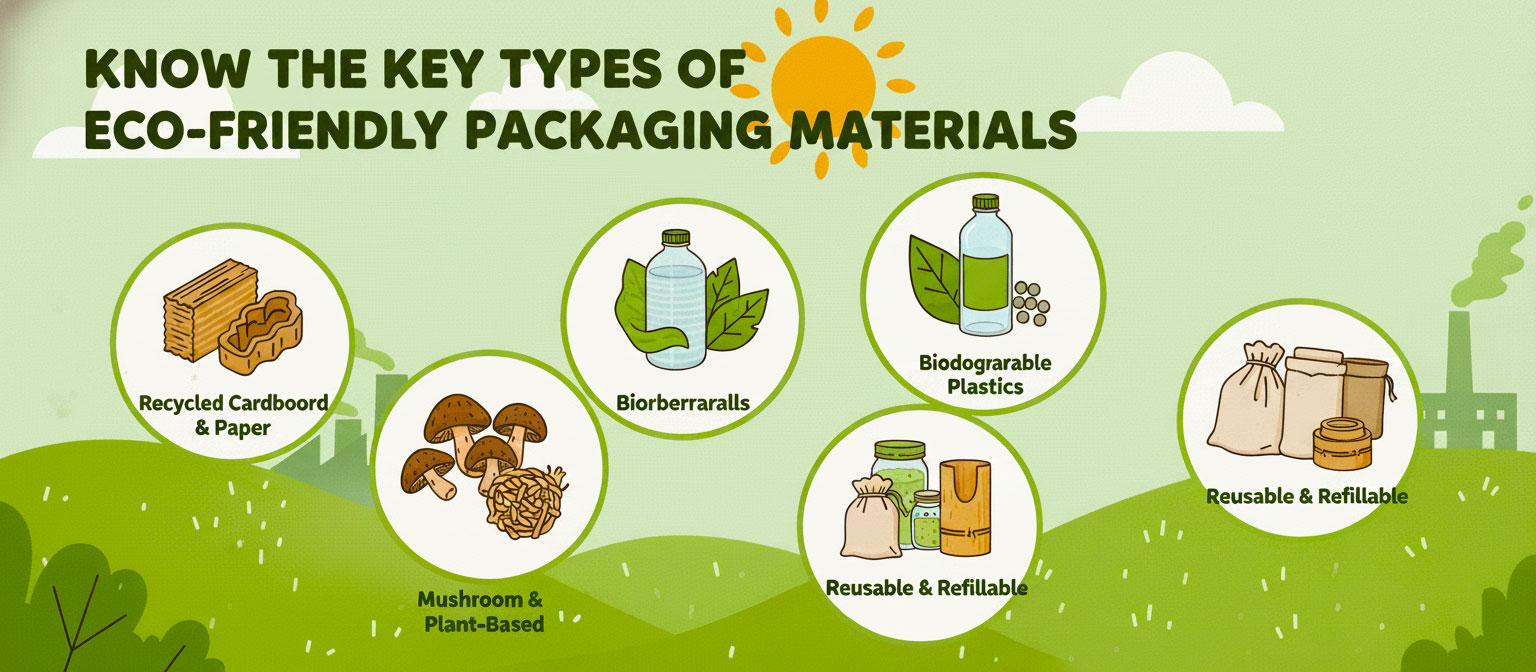
Below are some of the most used sustainable packaging materials, along with their benefits and limitations.
a) Recycled Paper and Cardboard
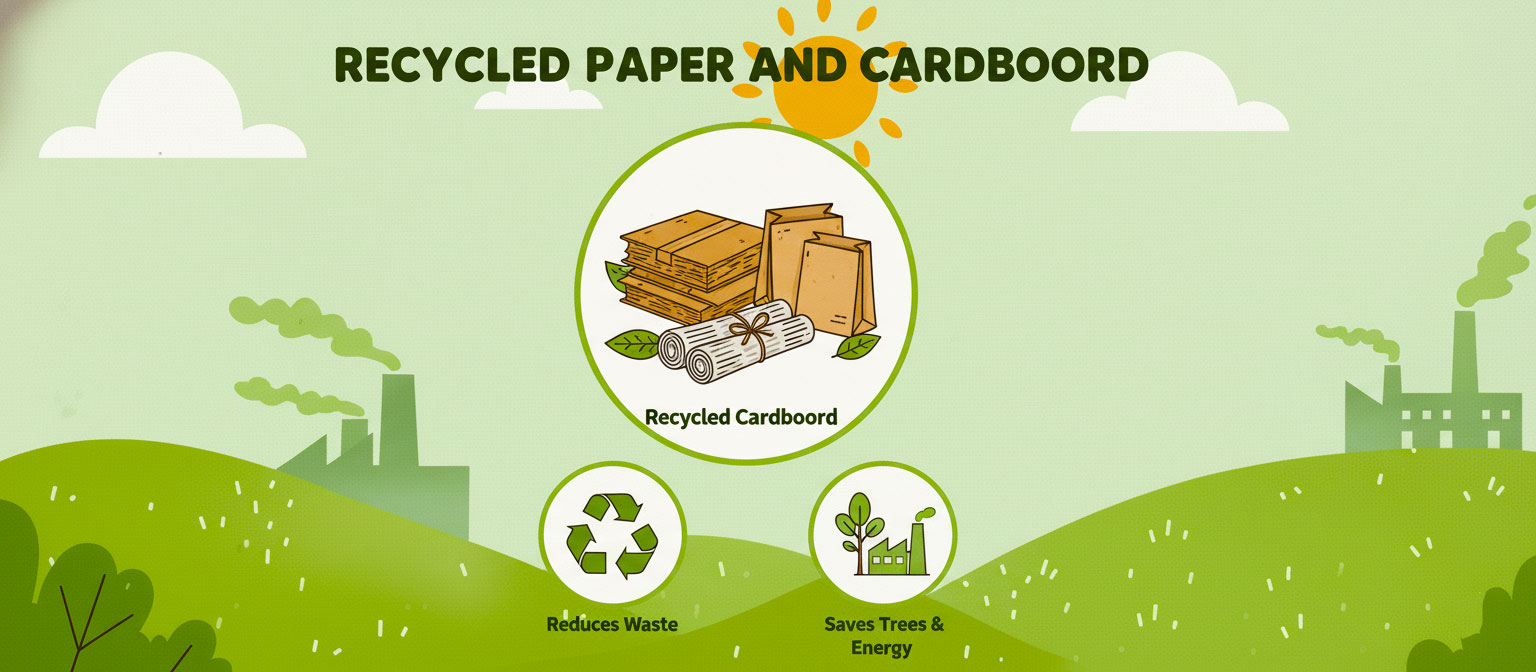
A popular eco-friendly choice. Recycled paper and corrugated cardboard are strong, lightweight, and highly recyclable.
Pros:
Utilizes post-consumer waste
Widely recyclable
Generally affordable
Considerations:
Moisture-resistant coatings may affect recyclability.
b) Bioplastics (PLA)

PLA is made from renewable resources like cornstarch or sugarcane.
Pros:
Compostable in industrial settings
Reduces reliance on fossil fuels
Considerations:
Not always accepted in standard recycling
Requires specific composting facilities
c) Molded Fiber / Pulp

Made from recycled paper or agricultural waste, molded pulp is both durable and biodegradable.
Pros:
Excellent shock absorption
Ideal for trays, inserts, and protective packaging
Considerations:
Surface finish is less smooth than plastic
Can be bulkier
d) Bamboo and Rapidly Renewable Materials
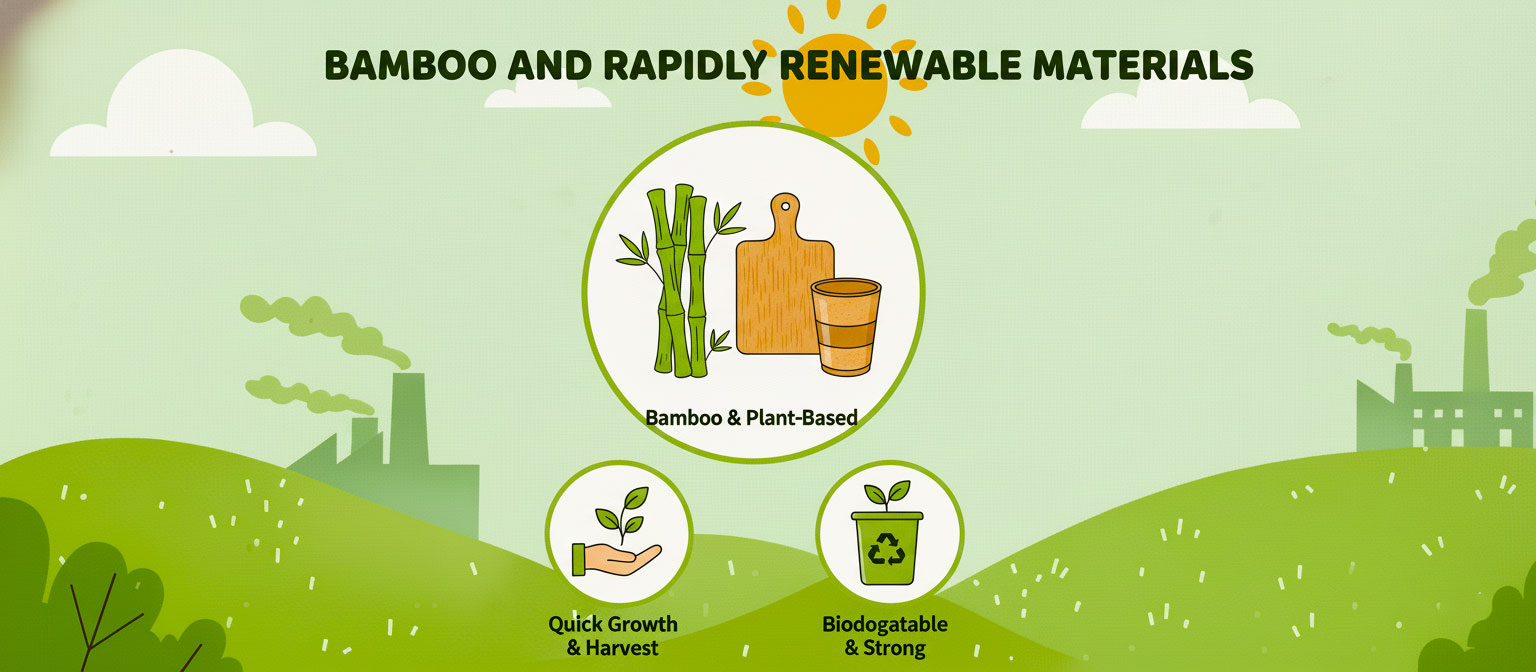
Bamboo grows extremely fast, making it a strong alternative for eco-friendly packaging.
Pros:
Biodegradable and renewable
Minimal chemical processing
Considerations:
Some processing methods can reduce sustainability
Availability may vary by region
e) Mushroom-Based Packaging (Mycelium)
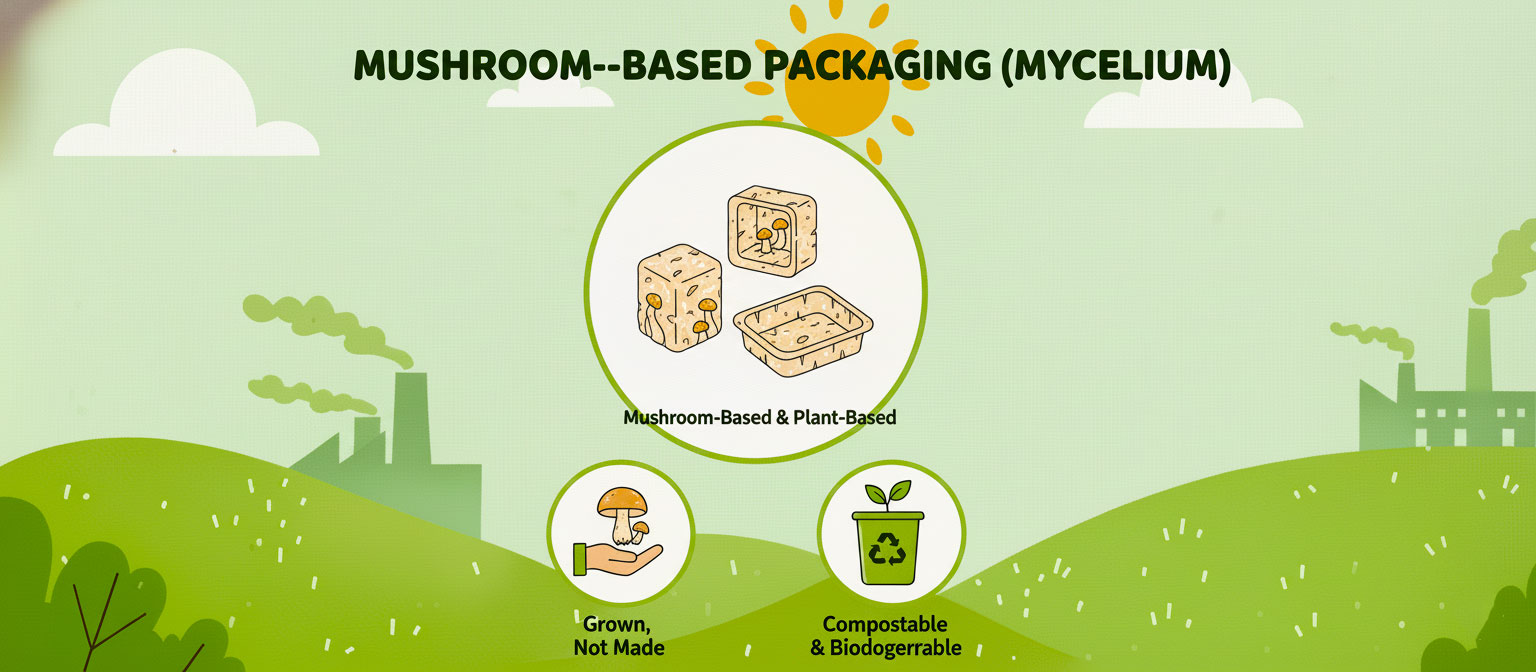
An innovative, compostable alternative to foam packaging.
Pros:
Lightweight
Fully biodegradable
Made from agricultural by-products
Considerations:
Still emerging in large-scale commercial markets
Limited supply chain options
f) Compostable Films & Coatings
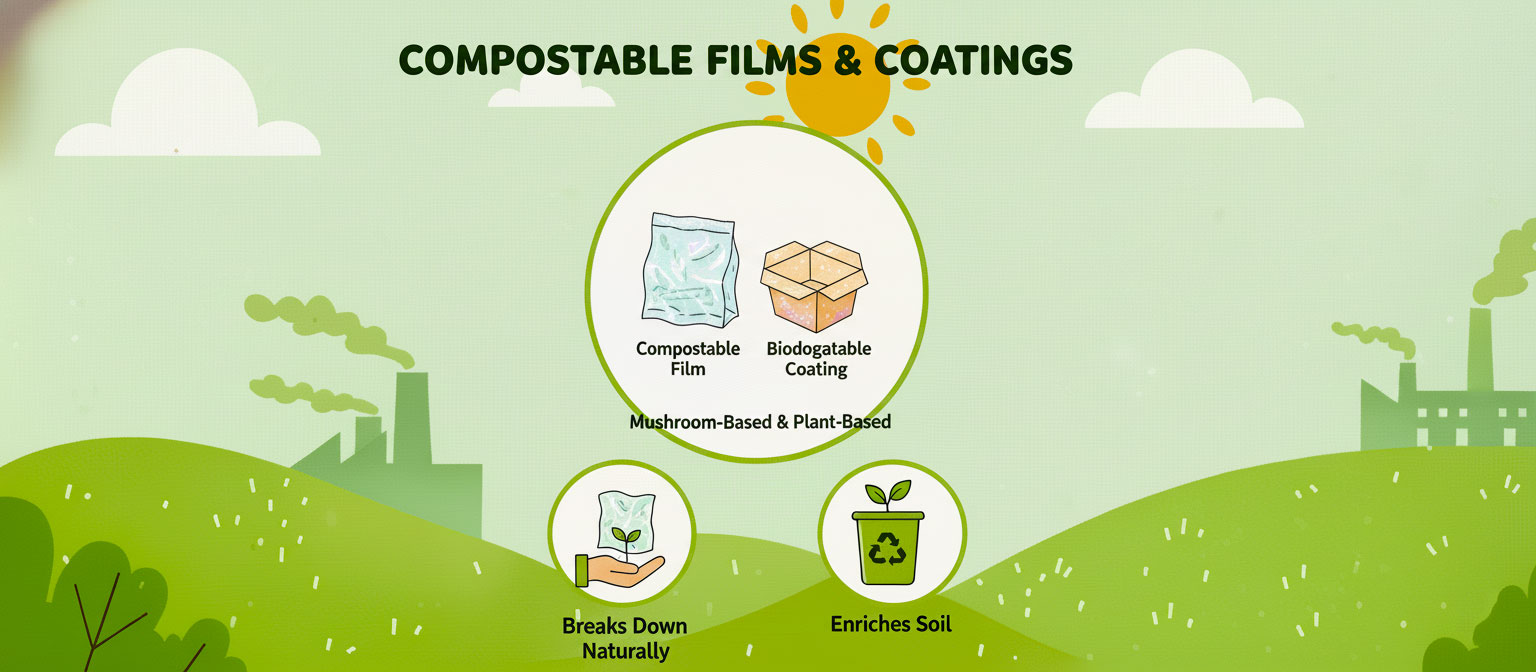
Includes seaweed-based films, cellulose films, and compostable PLA coatings.
Pros:
Break down naturally
Reduce microplastic waste
Considerations:
Need composting facilities
Can be more expensive than traditional films
g) Metals and Glass
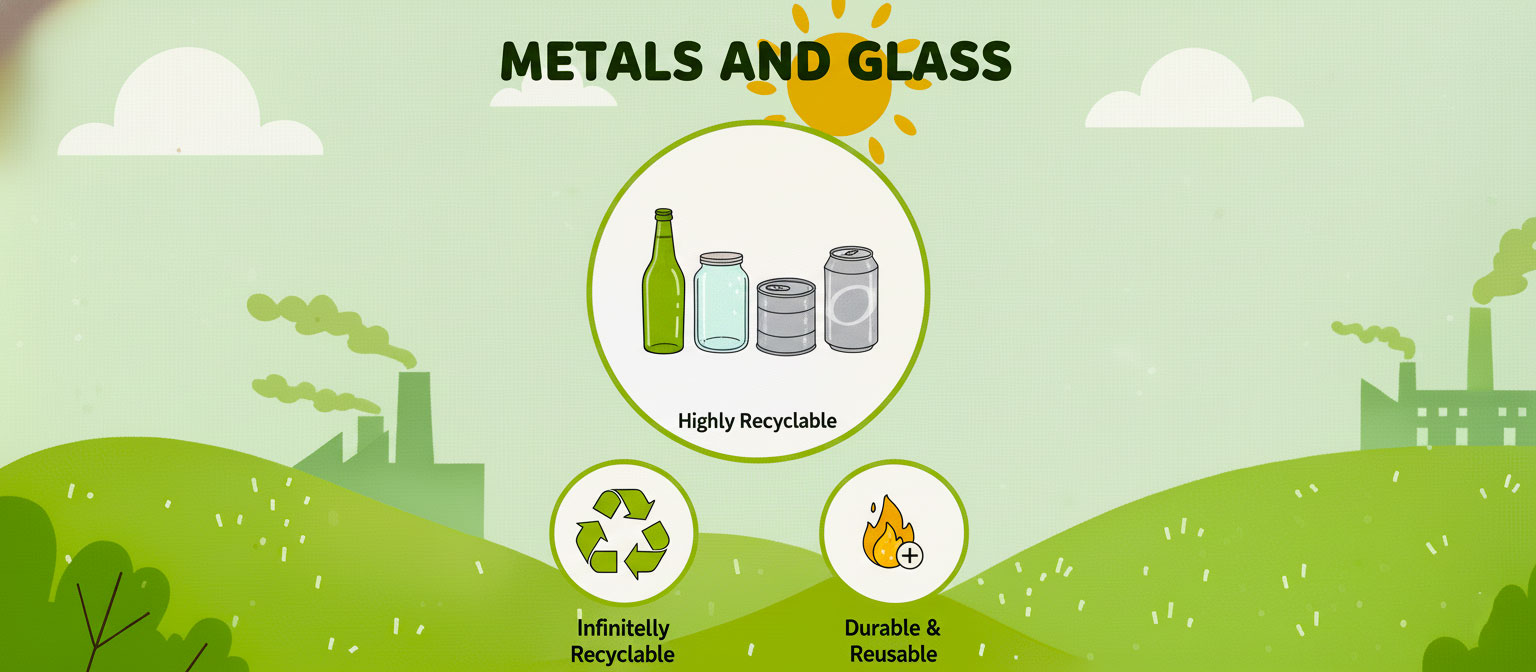
Long-lasting and highly recyclable, these materials offer sustainability when used correctly.
Aluminum: Infinitely recyclable.
Glass: Recyclable but heavier, increasing transportation emissions.
Considerations:
Higher energy cost for production
Heavier to transport
3. Evaluate Material Performance vs. Environmental Impact
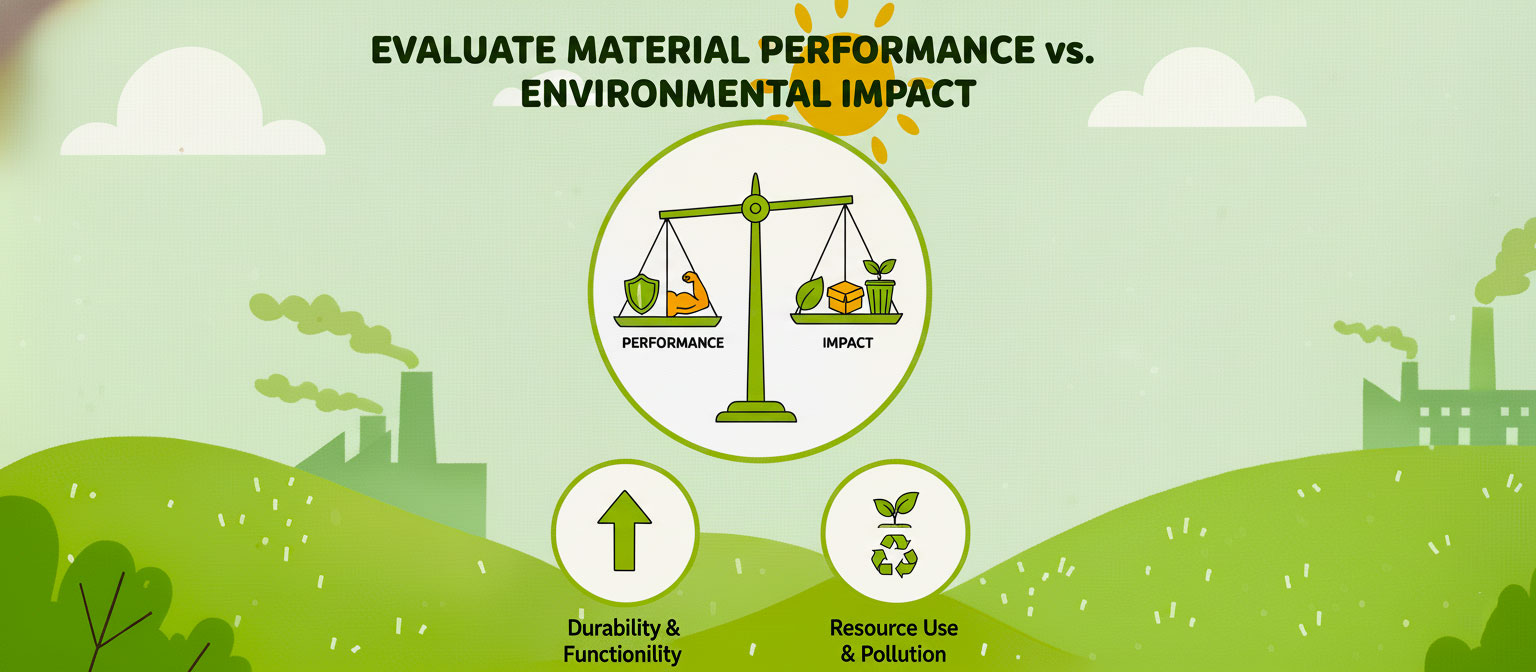
Eco-friendly material selection should balance sustainability with functionality:
Durability & Protection: Will the material protect the product during shipping?
Barrier Properties: Important for food or moisture-sensitive items.
Weight & Transportation: Lightweight materials reduce shipping emissions but must still protect the product.
End-of-Life Options: Choose materials that match your customers’ disposal abilities (recycling vs composting).
4. Certifications and Transparency
To ensure your packaging is genuinely sustainable, consider the following:
Look for certifications like BPI, EN 13432, or ISO 14001
Request Material Safety Data Sheets (MSDS) from suppliers
Prefer responsibly sourced materials such as FSC-certified paper
Use carbon-negative or plant-based inks to reduce overall footprint
Certifications help validate your sustainability claims and build trust with customers.
5. Design for Circularity
Circular design is one of the strongest strategies for long-term sustainability.
Mono-Material Structure
Use one material instead of mixed materials so recycling is simpler and more efficient.
Modular or Refillable Design
Reusable glass jars, tins, and refill systems eliminate waste for repeat customers.
Minimalist Design
Reduce material usage, simplify dielines, and minimize ink coverage to cut down on waste and energy consumption.
6. Balance Cost and Environmental Impact
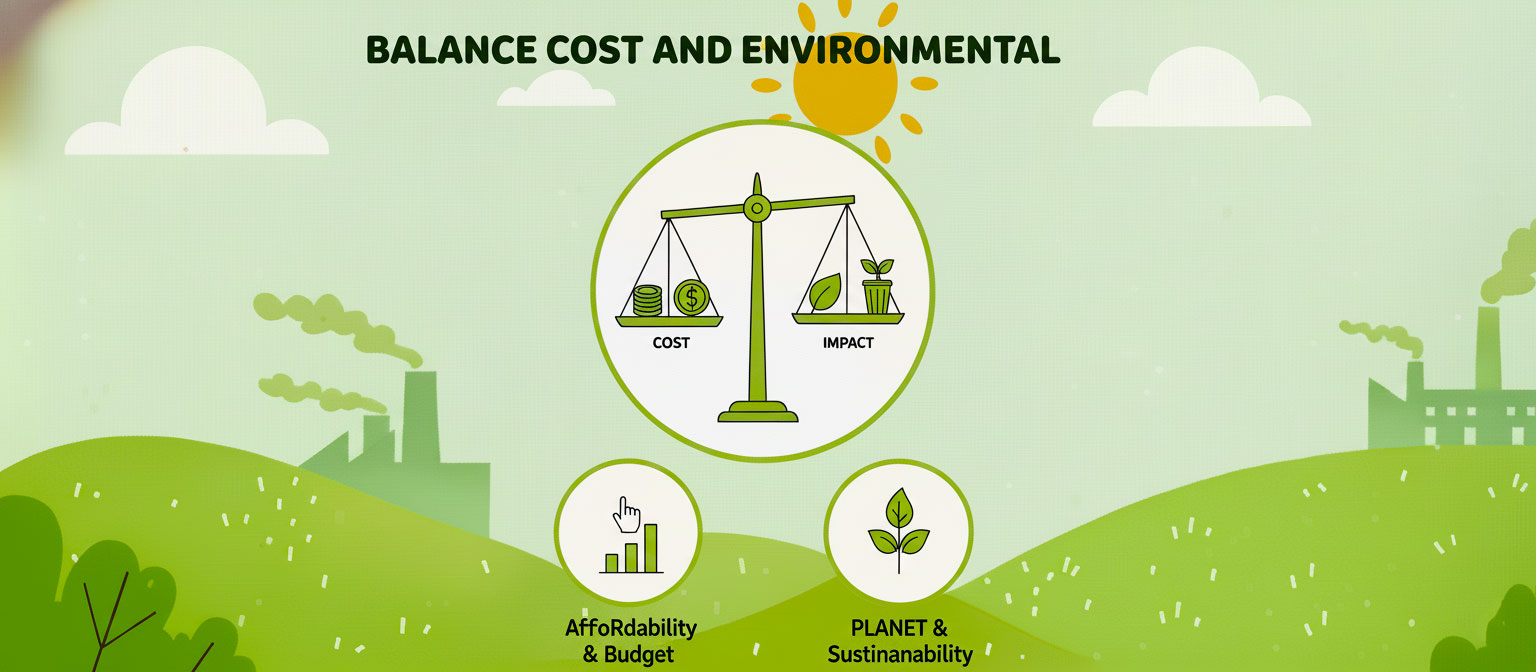
Eco-friendly packaging may come at a higher cost initially, but there are smart ways to manage it:
Compare lifecycle costs rather than upfront costs
Start with limited SKUs before switching completely
Optimize logistics with lightweight, nestable, or stackable designs
Educate your customers to build loyalty and justify sustainable choices
Investing in sustainability enhances brand value and customer trust.
7. Test and Iterate
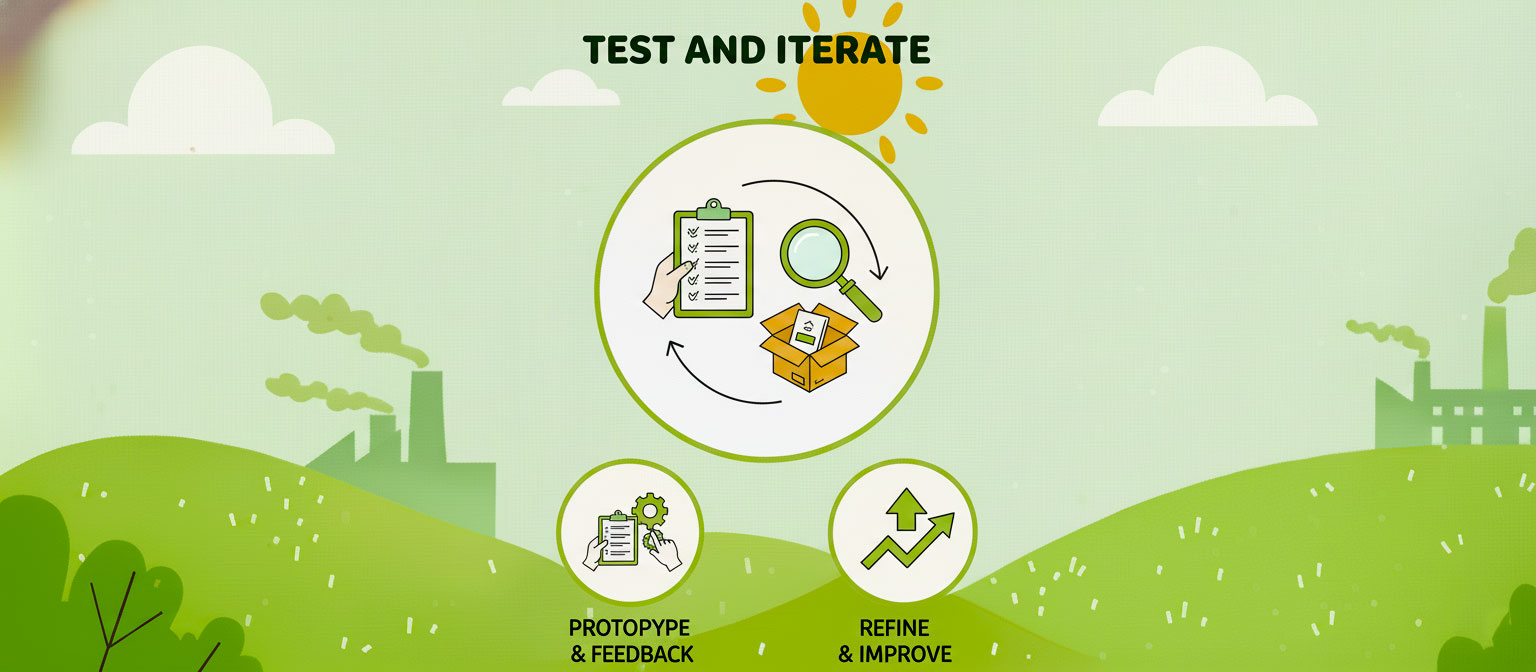
Before a full launch, always test:
Prototype packaging to check durability, shelf life, and overall experience
Run small pilot batches to gather customer feedback
Measure results such as carbon reduction, waste diversion, and customer response
This ensures your eco-friendly packaging is practical, appealing, and truly sustainable.
Conclusion
Choosing eco-friendly materials for your packaging design is a thoughtful process that requires balancing sustainability goals, performance, and customer behavior. By exploring options like recycled paper, bioplastics, molded pulp, bamboo, compostable films, and innovative materials like mycelium, you can make informed decisions that align with your brand’s values.
Eco-friendly packaging isn’t just better for the environment — it builds trust, strengthens your brand identity, and meets the expectations of today’s conscious consumers.